


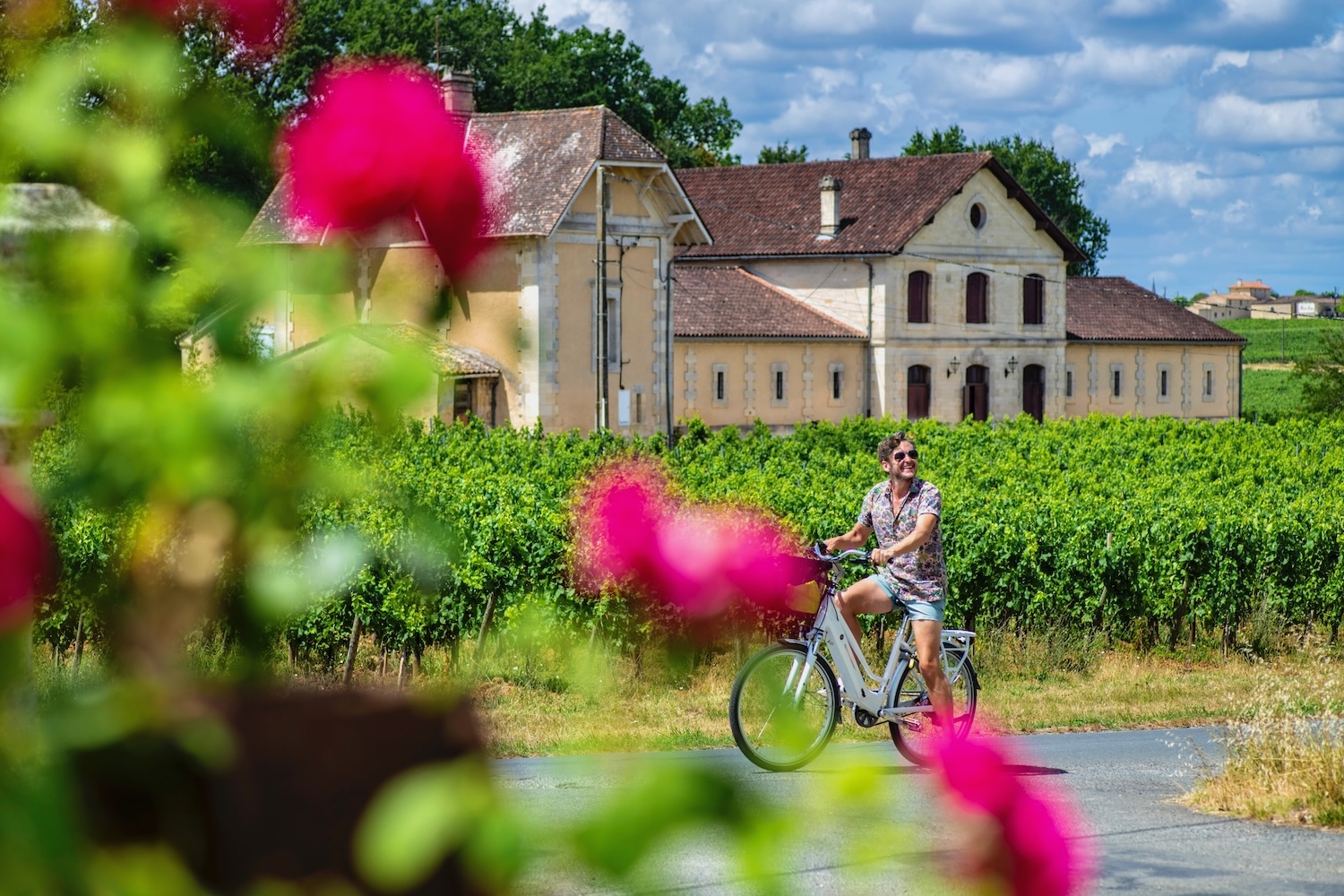
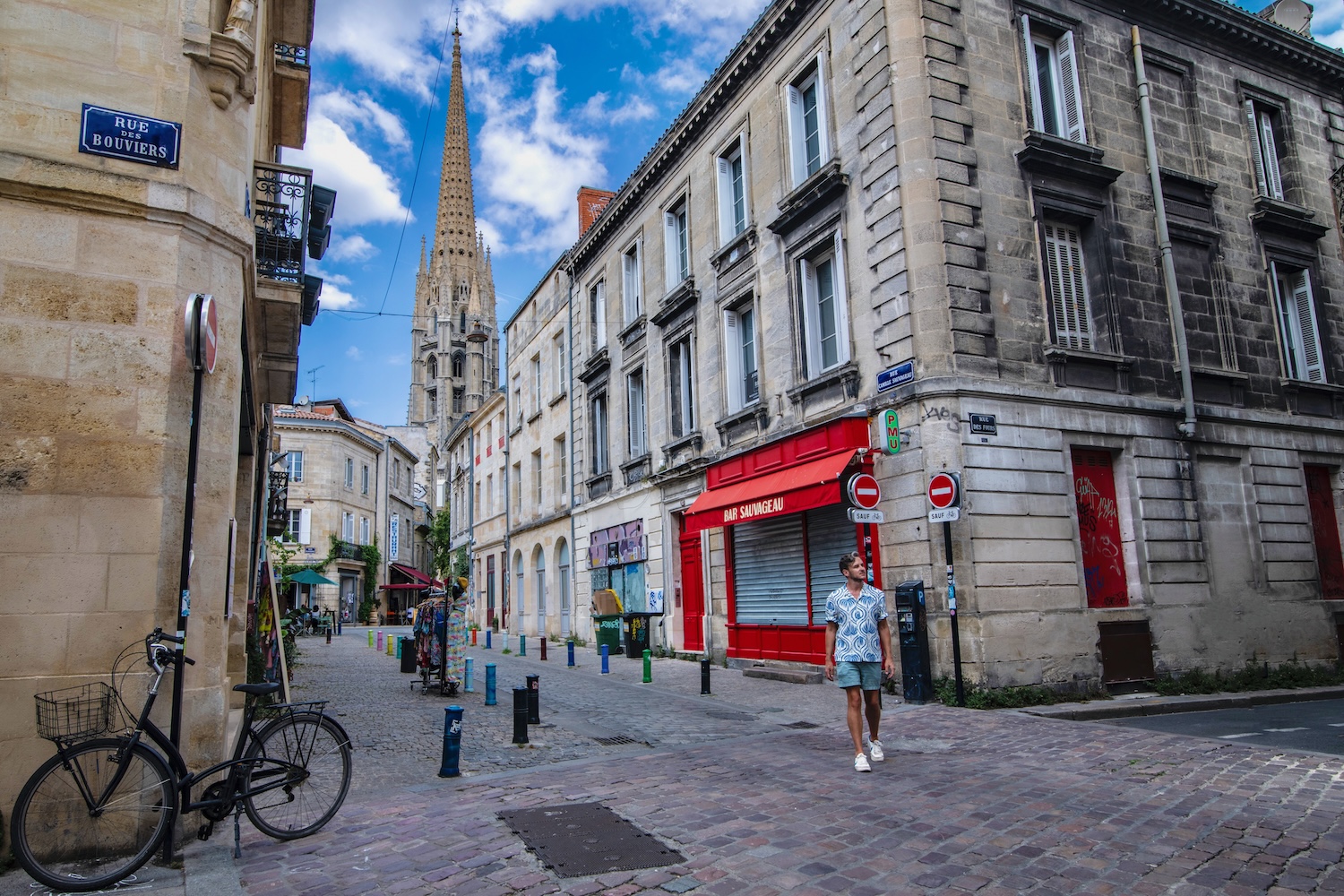
I’ve written extensively on this site about how Bordeaux failed to match my expectations, and not always in a positive way. I’m talking about the city center, in this case, of course.
The tl;dr version? Bordeaux is a large, urbanized and even slightly rough city, one you’d never known is surrounded by some of the world’s most prized wine country by walking though it.
The thing is, one you make an intentional visit to any of the Bordeaux wineries I’m about to list in this post (or any of the others—my article is certainly not comprehensive), any misgivings you have about le centre-ville evaporate. Continue reading to see what I’m talking about.
Why Bordeaux’s City Center is Deceptive
If you’re like me, then you may be Googling “wineries near Bordeaux” soon after arriving in the heart of town. Actually, that’s not fair; I genuinely felt intrigued by and even excited about Bordeaux (they city, I mean) for the first few hours that I was there. However, after a while walking amid a surprisingly dense crowd that was primarily tourists and locals, but also a surprising number of vagrants, I badly wanted a sip of wine.
This is not to say that Bordeaux is irredeemable—I liked many aspects of the city!—or that you actually even need to leave the city to do wine tastings. Vineyards not withstanding, there are several wine caves within the city, which allow you to taste the harvest of the neighboring wine country without leaving the urban core behind. In general, however, very few aspects of Bordeaux-proper suggest the scenery or activities that have made the region famous.
How to Visit Wineries Near Bordeaux
Decide which one(s) you plan to choose
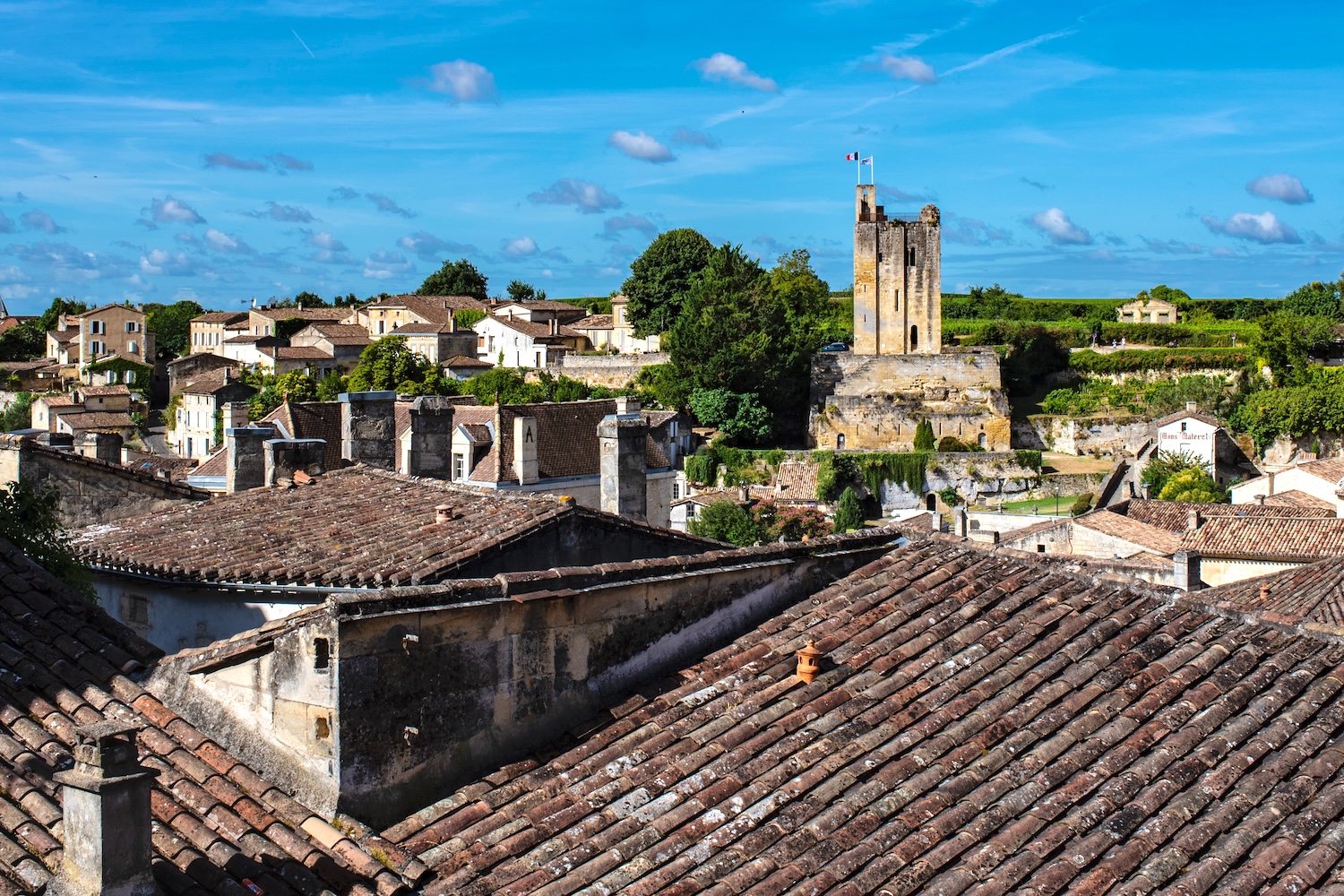
Saint-Émilion and Margaux (which are the two main wine “villages” near Bordeaux) are each close enough to see on a day trip from the city. However, they’re also located in opposite directions from one another, which means that you do need to pick and choose—you can’t realistically do both in one day.
And how you’re going to get there/around

Another key question about the Bordeaux wine country? How you plan to get there and around. Obviously, a car is always the easiest option; it also isn’t especially practical if you plan to taste the wine. Personally, I find Saint-Émilion easiest to visit via public transport; you can walk from the station to the tower in 15 minutes, then easily rent a bike.
Plan lunch in advance

Both Margaux and Saint-Émilion are small towns with limited dining capacity. Unless you are a single person (like me) and can easily squeeze in, I suggest making a lunch reservation in advance. Thankfully, many spots in both towns offer easy online reservations; I like Le Savoie in Margaux and Le Comptoir du Passage in Saint-Émilion.
(And your return journey)
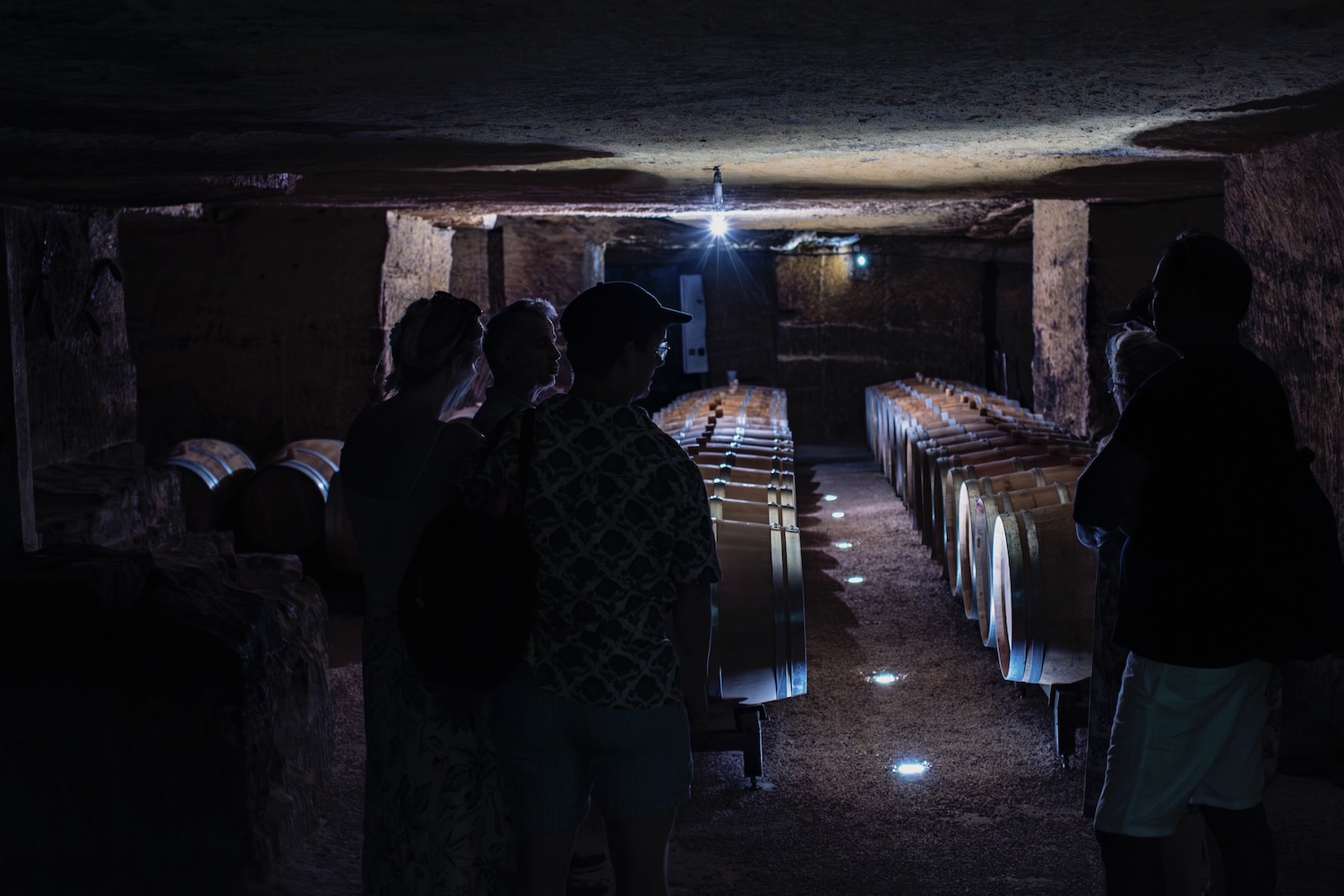
Unless you plan to take an organized Bordeaux wine tour, it’s on you to be mindful about how long or short your day should be. I usually like to use external factors to determine this, be this the allotted rental period for my e-bike, or return train schedules from the nearest station back to Bordeaux Saint-Jean.
Buy your wine at the end of the day
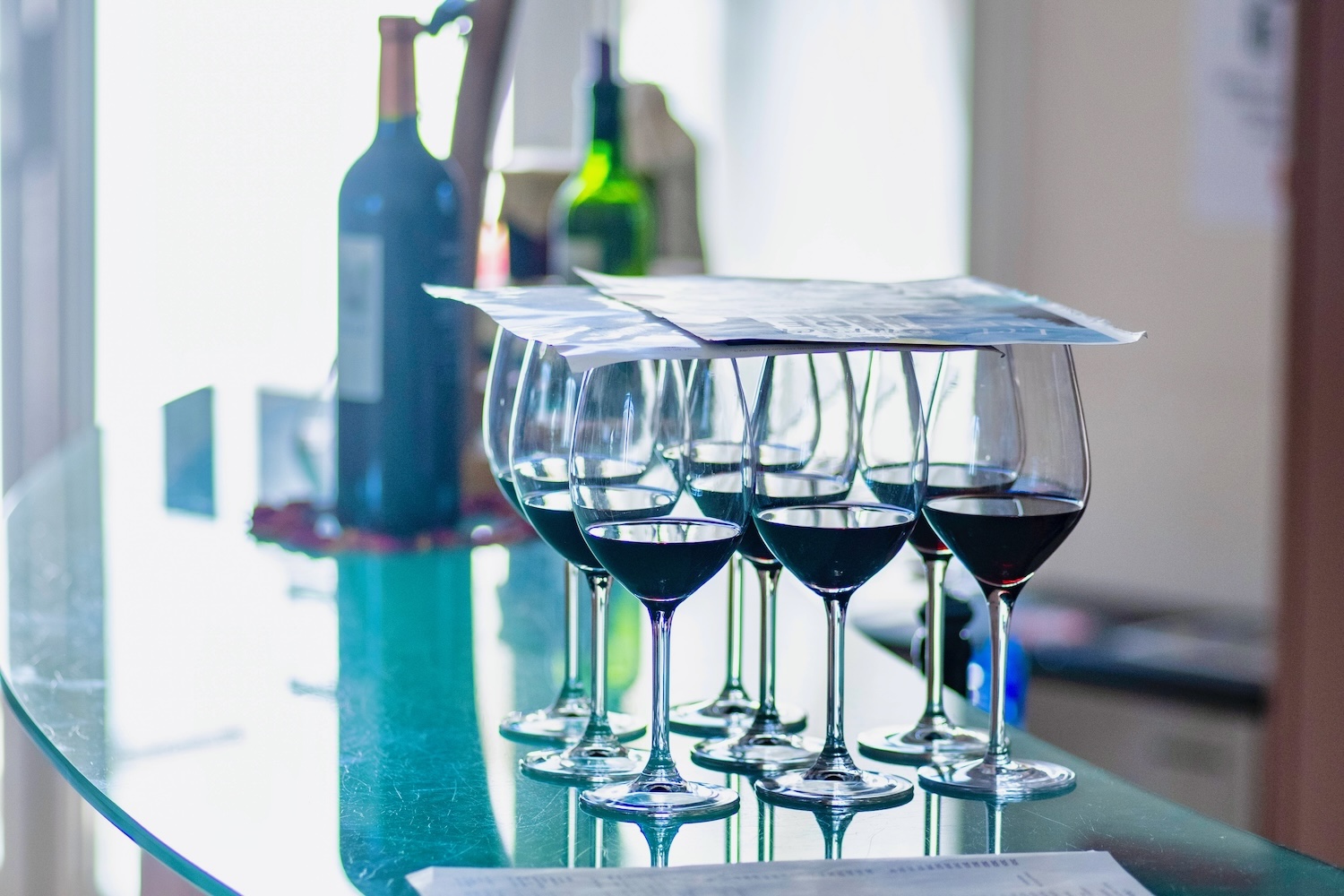
It might sound counter-intuitive, both because wineries will be trying to sell you bottles (or, more likely, cases) before each tasting even ends, but you should really wait until you’ve visited all the wineries you plan to stop at before purchasing anything. This will allow you to take your time making the right decision, and it will also save you from needing to haul the wine around (assuming you don’t ship it home).
Other Things to Do in and Around Bordeaux
Regardless of how you end up feeling about Bordeaux itself, the surrounding region of Nouvelle Aquitaine is a tourism powerhouse:
- Head northwestward toward the port of La Rochelle, which is actually on the other side of Margaux. You can combine the two into a single day trip!
- Or go westward and visit the Dune du Pilat, which is the closest thing you’ll find to a desert anywhere in mainland France.
- Whether alongside the dune (if you’re driving) or separately (if you’re using trains and buses), visit the French Basque Country, i.e. Bayonne, Biarritz and Saint-Jean-de-Luz.
As you can see, whether you’re searching for a winery near Bordeaux or a completely separate cultural experience, it’s never far away.
Other FAQ About Bordeaux Wineries
What is the best winery to visit in Bordeaux?
The largest and most accessible concentrations of wineries near Bordeaux is in Saint-Émilion, located less than an hour from Bordeaux-Saint-Jean Station by train. Once you get there, you can walk about 15 minutes to the town, then rent e-bikes and bicycle between wineries. It’s easy and fulfilling to make a day of it.
What is the famous wine village near Bordeaux?
Saint-Émilion is the most famous wine village near Bordeaux, and features about a dozen small-to-medium sized wineries that you can tour via bike or organized tour. However, you can also visit Margaux, which is located to the northwest of Bordeaux and feels ever so slightly more upscale.
Should I stay in Saint-Émilion or Bordeaux?
If visiting large numbers of wineries is your priority in visiting southwestern France, and you don’t have a need for the creature comforts (or crowds) of the big city, then there’s an argument to be made for staying in Saint-Émilion. For many travelers, however, a day trip from Bordeaux to Saint-Émilion is totally sufficient.
The Bottom Line
You’re almost certainly planning to tour some Bordeaux wineries. If you weren’t, there would be little reason to ride a train all the way down to Bordeaux in the first place—certainly not to the city center. Well, that might not be true; Bordeaux is one of the best day trip destinations anywhere in France. And yet the city’s name is so synonymous with wine culture that it simply wouldn’t make sense to visit without at least one day excursion to Saint-Émilion or Margaux. Need personalized help integrating Bordeaux into your France trip, no matter how intently you plan to focus on wine? Commission a custom France itinerary today!